 PolishPowerFood
Nutritional Foundations of Everyday Foods
Educational content only. No promises of outcomes.

Understanding the nutritional composition and sources of everyday foods
Basics of Nutrient-Dense Everyday Foods
Food is fundamentally a combination of chemical compounds that participate in basic biological processes. When examining everyday nutrition, we observe that certain foods contain higher concentrations of vitamins, minerals, and other compounds relative to their caloric density.
Nutrient density refers to the ratio of essential nutrients to total calories. Foods such as vegetables, legumes, whole grains, and fermented dairy products are considered nutrient-dense because they provide substantial amounts of vitamins and minerals per serving.
Understanding nutrient density is important for dietary literacy. Different foods contribute different compositions of compounds, and variety in food selection helps ensure exposure to a broader spectrum of nutrient compounds available in nature.
Vitamins from Natural Polish Sources
Vitamins are organic compounds found in many foods. Different food sources contain different varieties of vitamins in varying concentrations. For example:
- B vitamins: Found in whole grains, legumes, and fermented dairy products
- Vitamin A precursors: Present in orange and red vegetables like carrots and beets
- Vitamin C: Concentrated in fresh vegetables and some fruits
- Vitamin E: Present in nuts, seeds, and plant oils
Polish traditional foods provide access to these compounds through locally cultivated vegetables, grains, dairy, and other sources commonly used in regional cuisine.
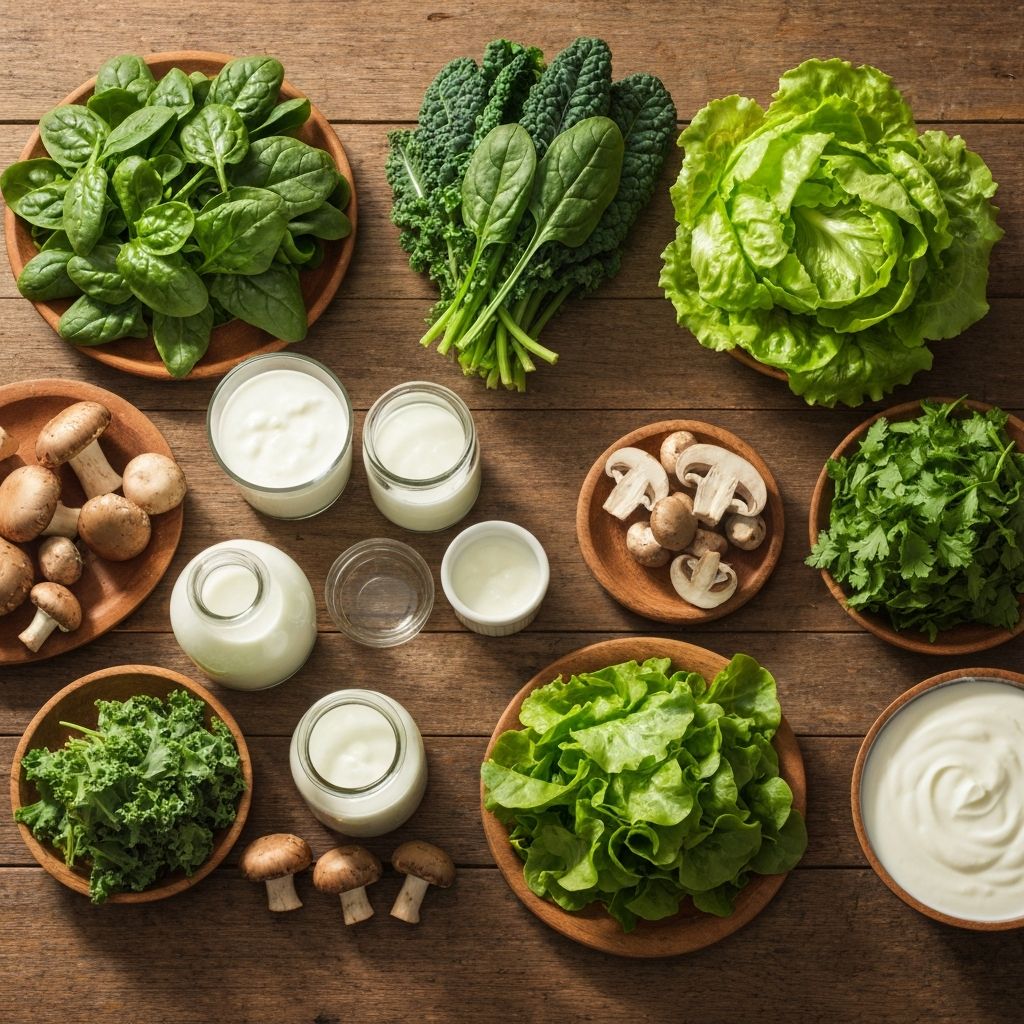
Products: Root Vegetables and Tubers
Root vegetables and tubers have been staple foods in European cuisine for centuries. They store large amounts of carbohydrates, fiber, and various micronutrients. The chemical composition varies by variety and growing conditions.
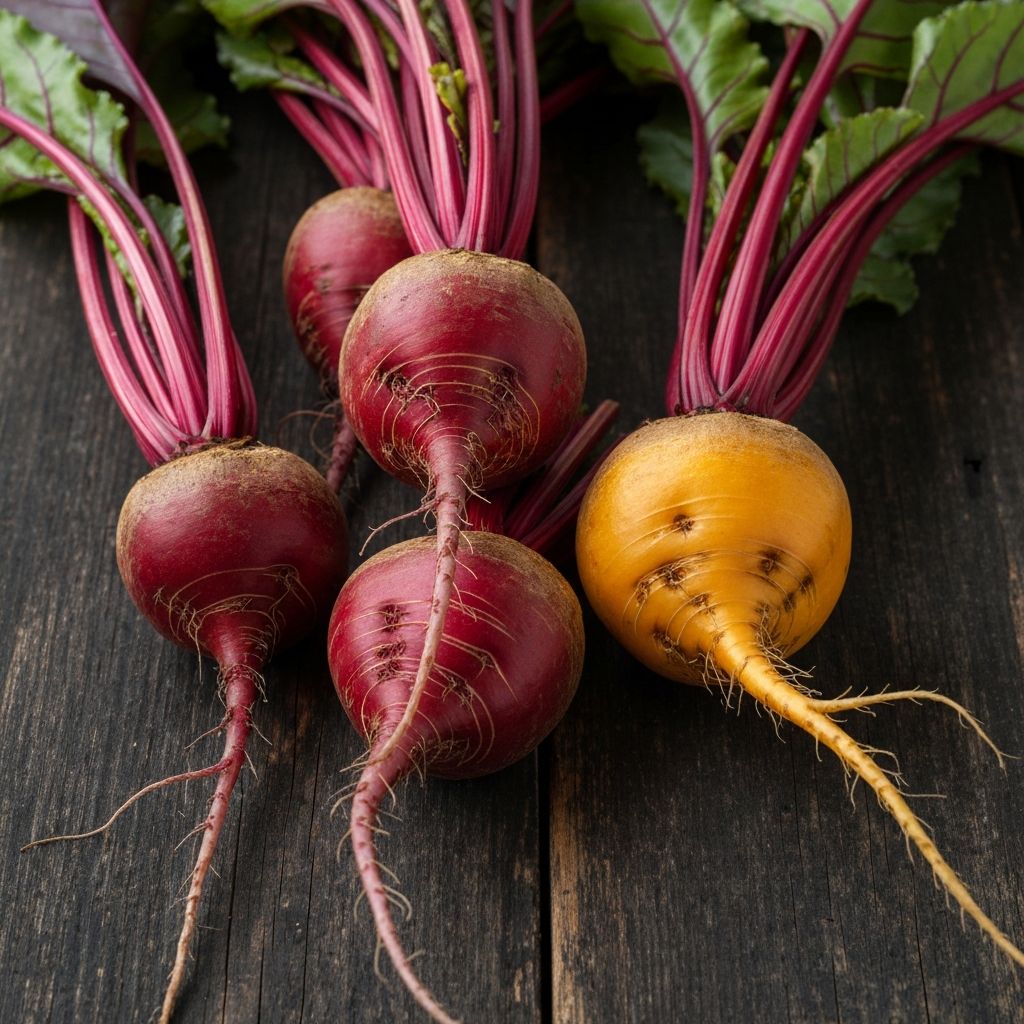
Beets
Beets (Beta vulgaris) contain betalains—water-soluble pigments—along with folate, manganese, and fiber. The nutritional profile varies by color variety (red, golden, striped). Beets are commonly used in traditional Polish cuisine, both raw and fermented. The soil composition in growing regions influences mineral content.
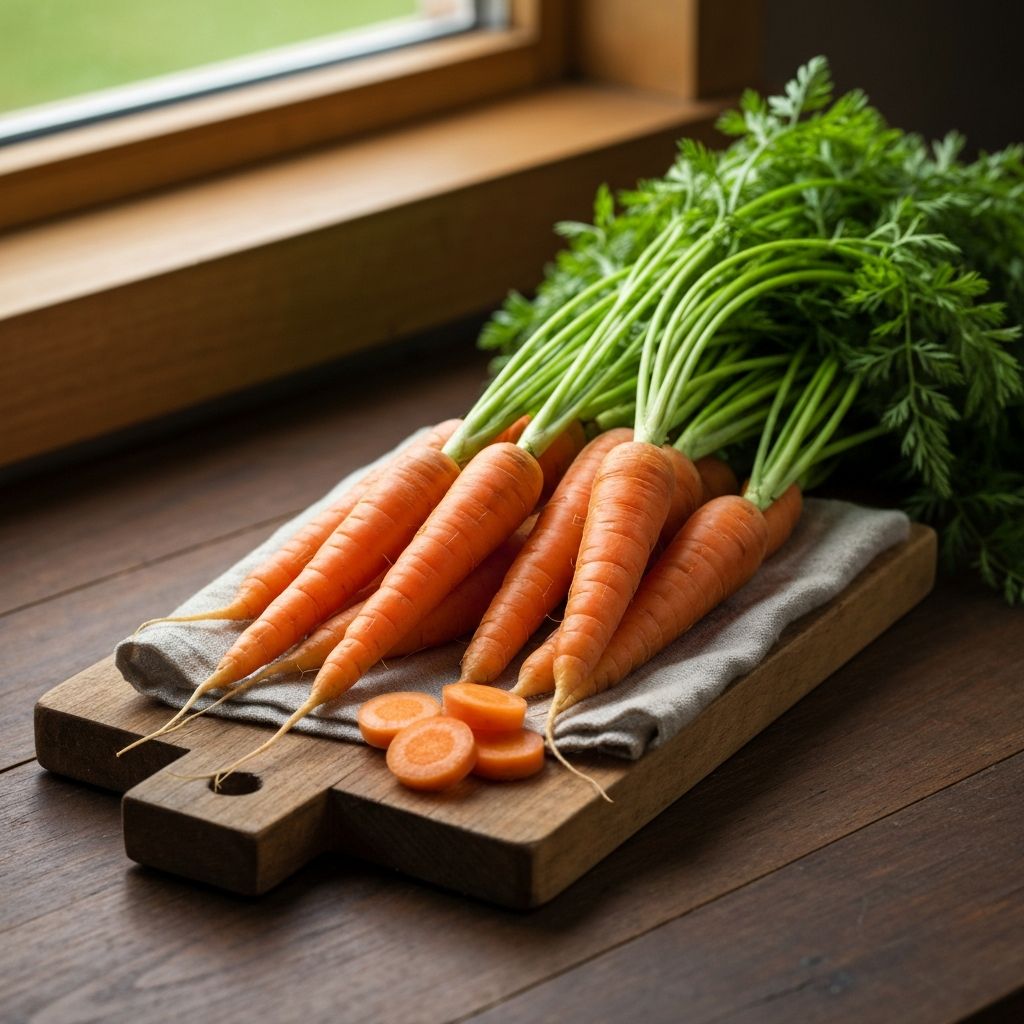
Carrots
Carrots (Daucus carota) are notable for high concentrations of beta-carotene (a vitamin A precursor) and alpha-carotene. These orange pigments develop through the plant's natural metabolism. Carrots also contain potassium, manganese, and fiber. Different varieties (orange, purple, white) have different pigment profiles.
Potatoes
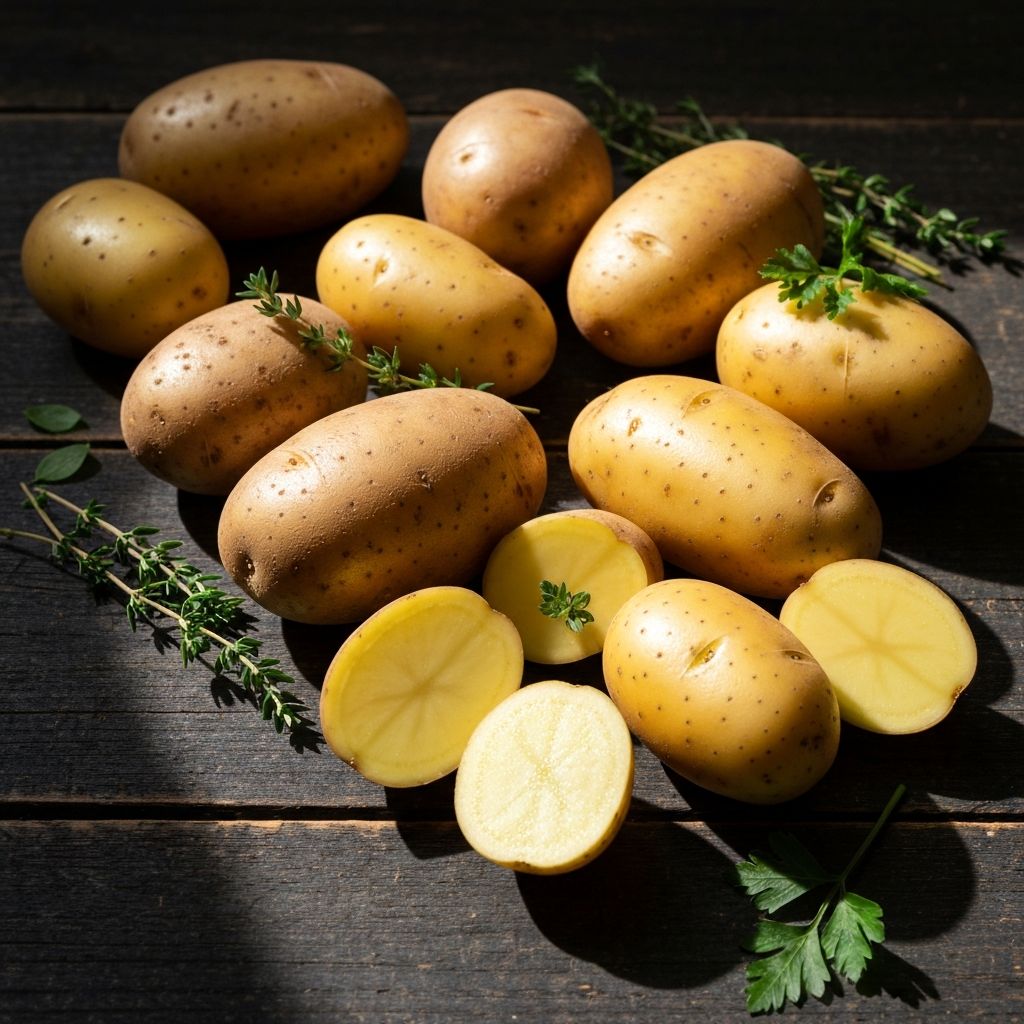
Potatoes (Solanum tuberosum) are primarily composed of starch and water, with protein and various minerals present. Different varieties contain different nutrient ratios. Purple and red potatoes contain anthocyanins. Potatoes cooked with skin retain more fiber. Traditional Polish cuisine uses multiple potato varieties prepared in different ways.
Products: Fermented and Dairy Foods
Fermentation is a traditional preservation method that alters food composition through microbial activity. Fermented foods have been part of Polish cuisine for generations. Dairy products provide protein and minerals that vary by processing method.
Sauerkraut
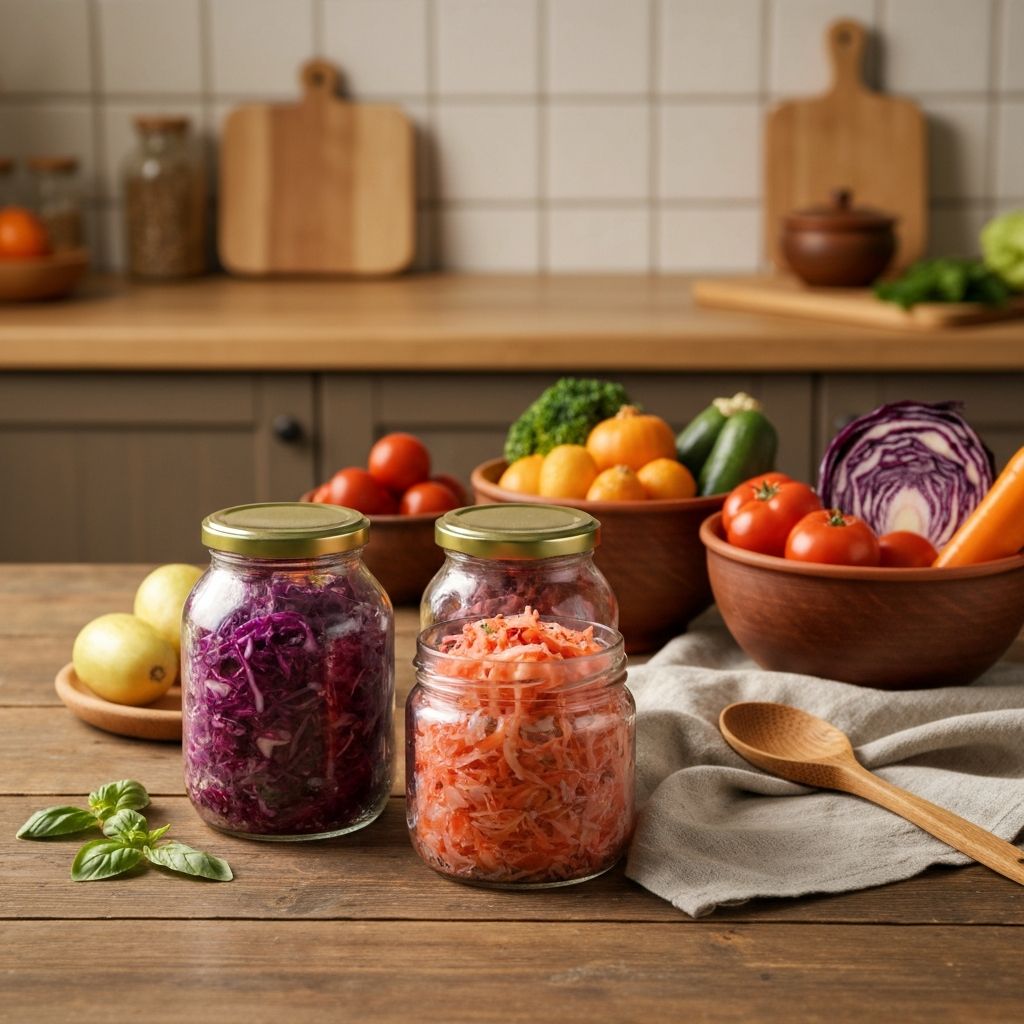
Sauerkraut is fermented cabbage (Brassica oleracea). Fermentation is a natural process where lactic acid bacteria transform compounds in the cabbage. This process preserves the vegetable and creates new compounds. Fermented cabbage contains fiber, vitamin K, and the cabbage's original mineral content modified by fermentation chemistry.
Kefir
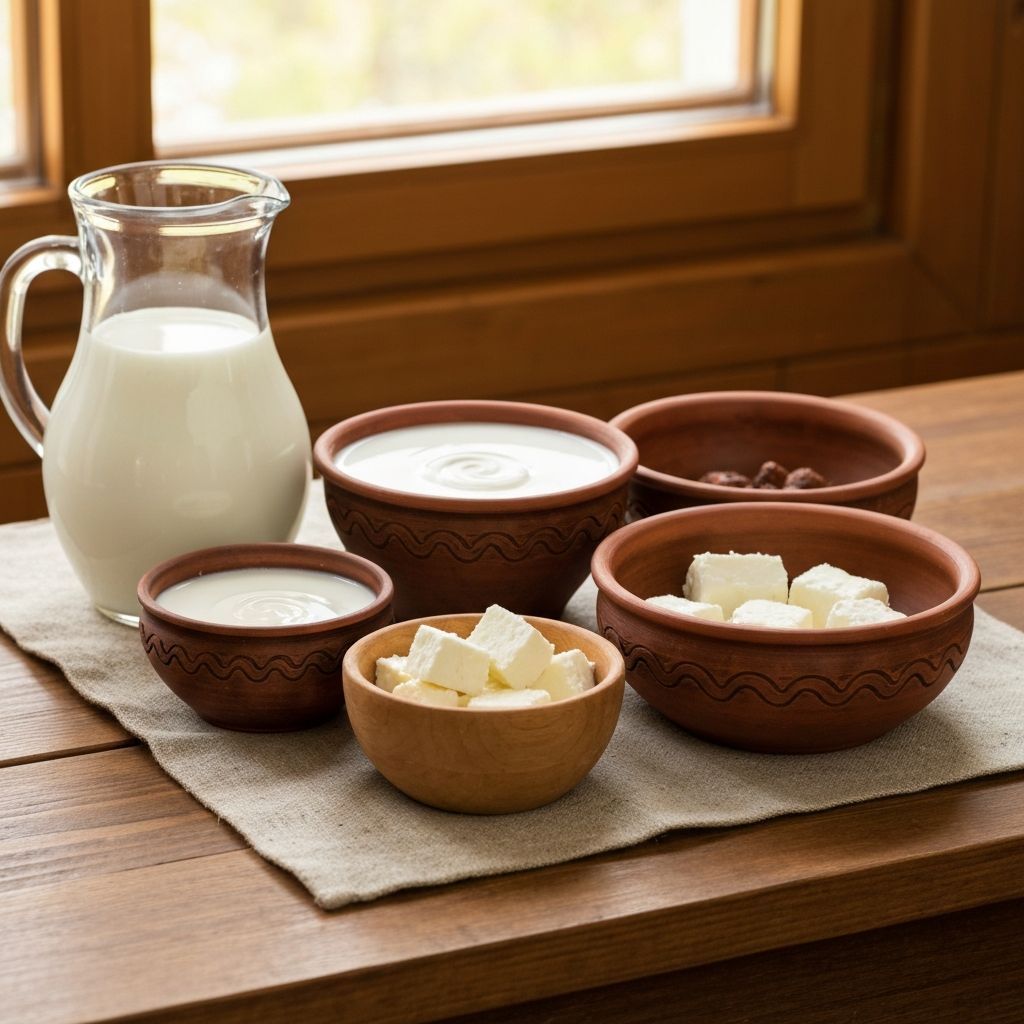
Kefir is a fermented dairy beverage created through the action of kefir cultures on milk. The fermentation process modifies milk's lactose content and creates new compounds. Kefir contains protein, calcium, and other minerals inherent to milk. The fermentation process creates a different food product from the original milk while retaining its mineral content.
Farmer Cheese
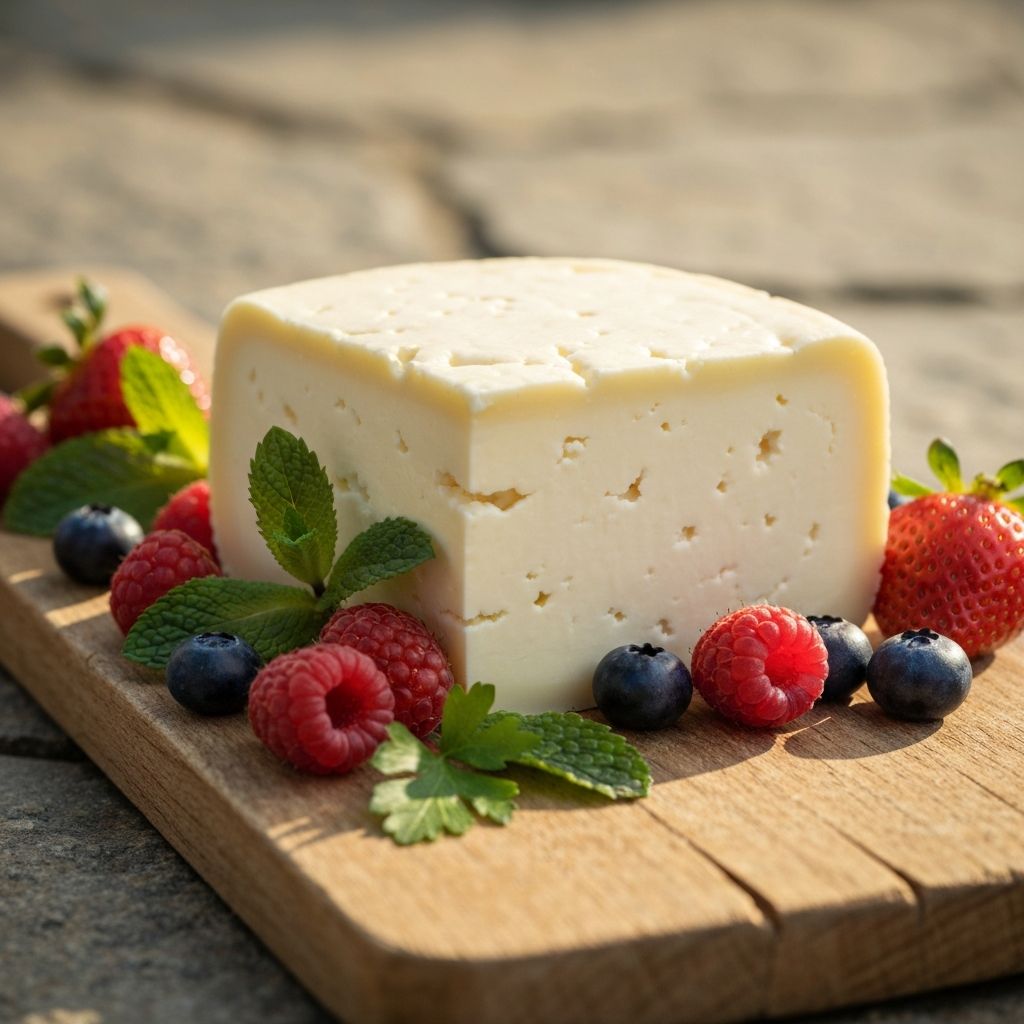
Farmer cheese (twaróg) is a traditional Polish dairy product made through milk curdling. It is a concentrated source of protein and calcium from milk. The cheese-making process removes whey, concentrating the milk's protein and mineral content. Farmer cheese is used in traditional Polish cooking both savory and sweet preparations.
Nuts, Seeds and Local Oils
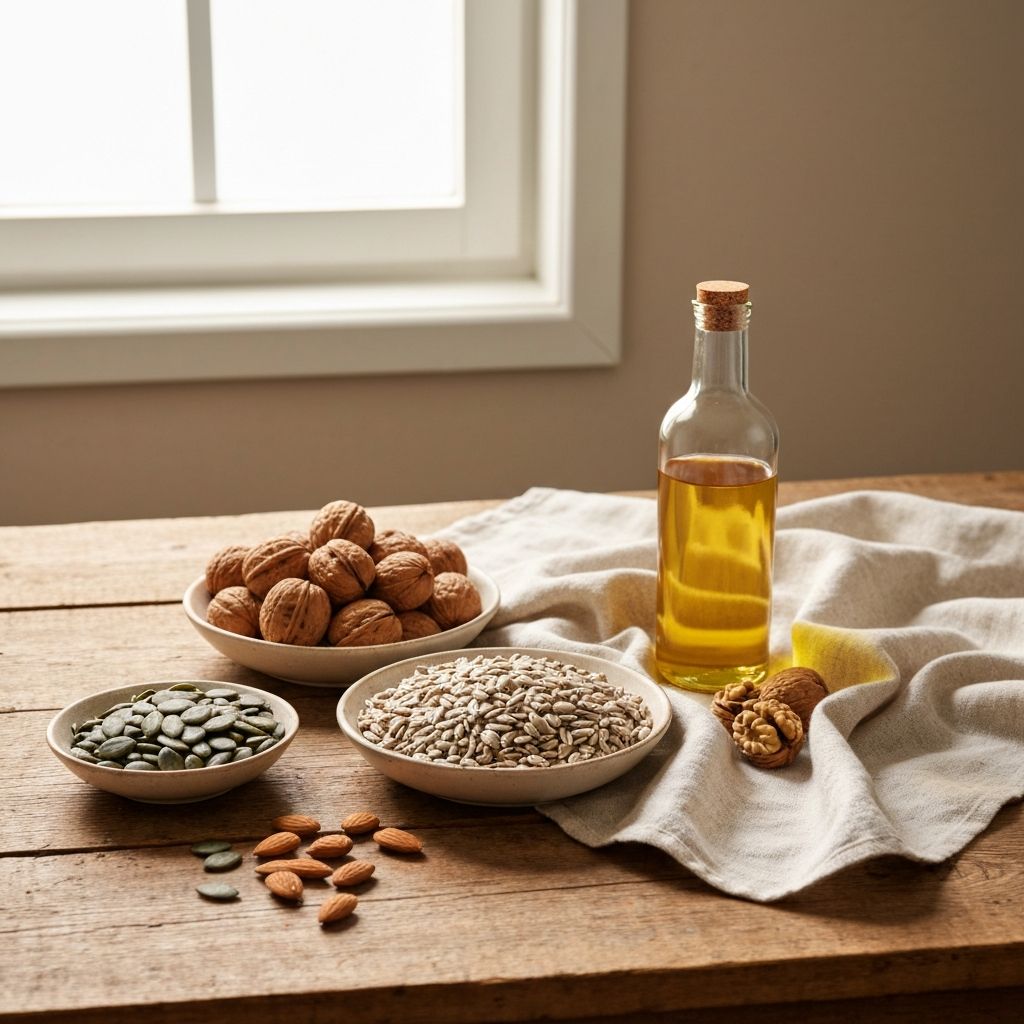
Nuts and seeds are nutrient-dense foods with high concentrations of fats, proteins, and minerals. They have been consumed in Europe since prehistory. Cold-pressed plant oils made from seeds and nuts retain the nutritional compounds present in the source plant material.
Common sources include:
- Walnuts—high in certain fatty acids and minerals
- Sunflower seeds—rich in vitamin E precursors and minerals
- Pumpkin seeds—contain iron, zinc, and magnesium
- Cold-pressed oils—concentrate the lipid compounds from source plants
The fatty acid profile varies by plant source. These foods have been integrated into traditional Polish cuisine and remain common in European dietary patterns.
Importance of Dietary Variety
Different foods contain different combinations of nutrients. No single food provides all necessary compounds. Consuming a variety of foods—particularly vegetables, fruits, whole grains, legumes, nuts, fish, eggs, and dairy—ensures exposure to the broadest range of available nutrients.
Research in nutrition science consistently documents that dietary variety is associated with more balanced nutrient intake. This principle is reflected in dietary guidelines across Europe and internationally.
The specific foods available vary by region and season. Polish traditional cuisine reflects the foods available in the region's climate and growing conditions. Understanding which foods are sources of which compounds helps in making informed choices about dietary composition.
Trace Elements in Regional Produce
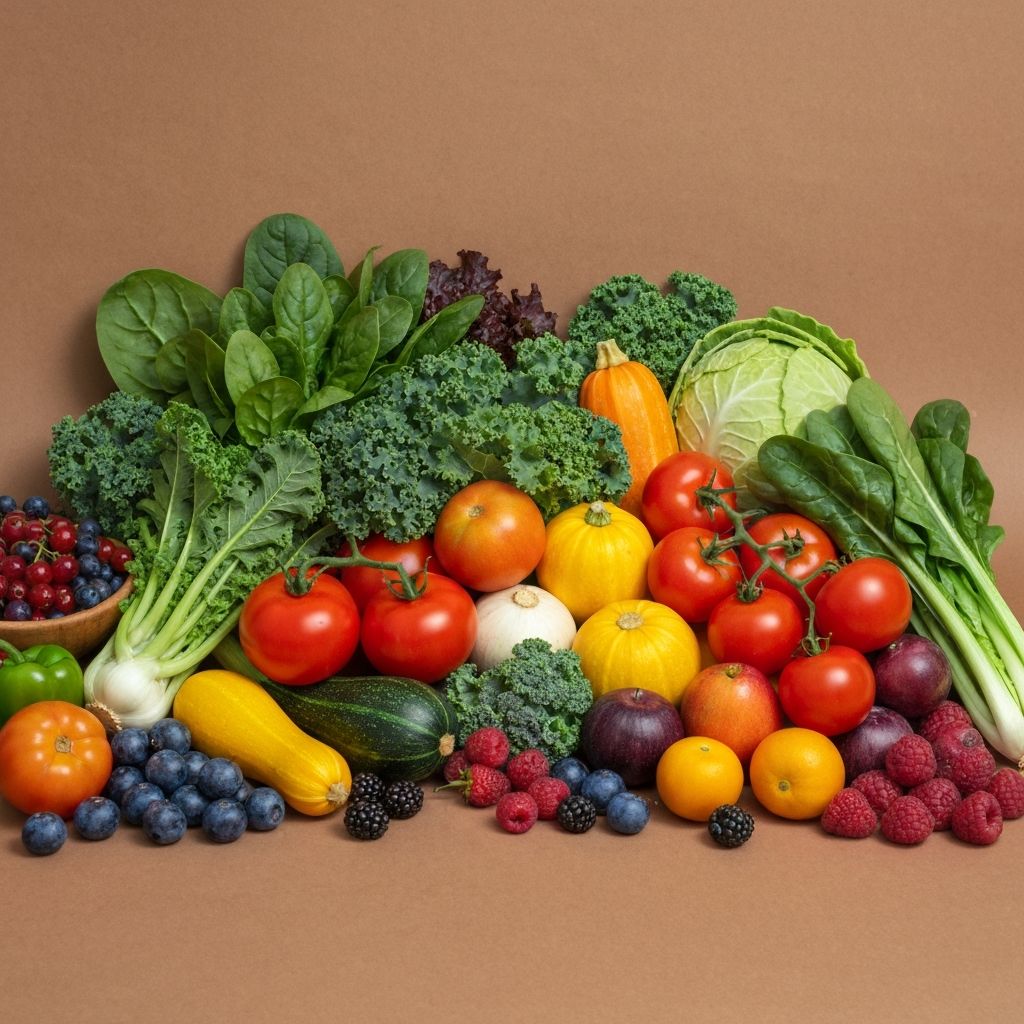
Trace elements (minerals present in small quantities) are essential for biological processes. Different foods contain different concentrations of trace elements such as zinc, selenium, iron, copper, and manganese.
The concentration of trace elements in plants depends on several factors:
- Soil mineral composition where food is grown
- Plant species and variety genetics
- Growing conditions and seasonal factors
- Maturity at harvest
Polish agricultural regions have specific soil compositions that influence the trace element profiles of vegetables and grains grown locally. Regional variation in food composition is a normal and documented phenomenon in food science.
Effects of Preservation Methods on Nutrients
The method used to preserve or prepare food affects its nutritional composition. Different preservation methods alter nutrients in different ways:
| Preservation Method | Effect on Nutrients |
|---|---|
| Fermentation | Modifies compounds through microbial activity; some nutrients increase, some decrease; fiber remains |
| Drying | Removes water, concentrating some nutrients; some volatile compounds lost |
| Freezing | Preserves most nutrients; minimizes loss if frozen near harvest |
| Cooking | Heat affects different nutrients differently; some become more bioavailable, some degrade |
| Canning | Heat processing may reduce some nutrients; preservation solution may add sodium |
Understanding preservation methods helps explain why the same food in different forms may have different nutritional profiles. Traditional Polish cooking uses various preservation methods, each with different effects on the foods produced.
Role of Fiber in Balanced Intake
Fiber is a carbohydrate compound found in plant foods that the human digestive system cannot fully break down. Fiber is found primarily in vegetables, fruits, whole grains, legumes, and nuts.
Fiber plays several roles in nutrition:
- Provides bulk to support normal digestive function
- Serves as substrate for beneficial microorganisms in the digestive system
- Affects the rate at which other nutrients are absorbed
- Contributes to satiety, the sense of fullness after eating
Foods commonly used in Polish cuisine—such as whole grains, legumes, root vegetables, and fermented vegetables—are significant sources of fiber. The quantity of fiber varies depending on the specific food and how it is prepared (e.g., with or without skin).
Traditional Polish Ingredients in Modern Context

Traditional Polish foods remain relevant in contemporary nutrition because the foods themselves—vegetables, grains, legumes, fish, dairy—contain the same compounds they always did. Modern nutrition science simply documents what compounds these foods contain.
Many traditional Polish ingredients are being studied in contemporary nutrition research:
- Whole grains for fiber and micronutrients
- Fermented foods for their altered composition and microbial content
- Root vegetables for their micronutrient and fiber content
- Fatty fish for specific fatty acid compounds
Understanding that traditional foods are sources of specific compounds helps explain why these foods remain part of contemporary dietary recommendations across Europe and internationally.
Final Perspective: Learning About Food
This resource presents factual, educational information about the nutritional composition of everyday foods and their role in human nutrition. Different foods provide different nutrients, and variety helps ensure adequate intake of the spectrum of compounds the body requires.